


Computing
Technology empowers us to change the world — to innovate, to create, and to build a better future.
— Satya Nadella, CEO of Microsoft
Intent
At Knightlow C of E Primary School, we aim to prepare our learners for their future by equipping them with the knowledge and skills essential for thriving in a technology-driven world. Therefore, our computing scheme of work aims to inspire pupils to become curious and explorative thinkers with a diverse knowledge of the world – in other words, to think like computing experts. The intention is for pupils to develop the confidence to question and observe places, measure and record necessary data in a variety of ways and analyse and present their findings.
The scheme aims to build an awareness of how Computing shapes lives at multiple scales and over time. The hope is to encourage pupils to become resourceful, active citizens who will have the skills to contribute to and improve the world around them.
The scheme supports teachers in developing their subject knowledge and skills, enabling the delivery of engaging, well-informed lessons with confidence. The curriculum is designed to be both accessible and ambitious, ensuring all learners’ full participation and potential achievement.
The three strands
The National curriculum organises the attainment targets for Computing under three strands:
- Computer science.
- Information technology.
- Digital literacy.
Kapow Primary’s Computing curriculum has been structured to ensure these strands run through each unit.
These strands ensure a balanced coverage of the different aspects of Computing, supporting the development of both substantive knowledge (e.g understanding networks, algorithms and data) and disciplinary knowledge (e.g. applying skills to program, creating digital content and evaluating online information responsibly).
Oracy
Lessons encourage discussion, explanation and collaborative problem-solving, allowing pupils to articulate their thinking, justify decisions and reflect on their digital creations.
Pupils use oracy to enhance their learning by thinking aloud, questioning processes and discussing solutions. They develop essential skills such as using subject-specific vocabulary, explaining their reasoning clearly and listening to and building on the ideas of others.
Critical thinking
Pupils analyse digital content, evaluate data and reflect on the effectiveness of their own and others’ digital solutions.
This helps them to question assumptions, make informed decisions and form reasoned conclusions about how technology is used and its impact on the world around them.

Implementation
Teaching and Learning Approach
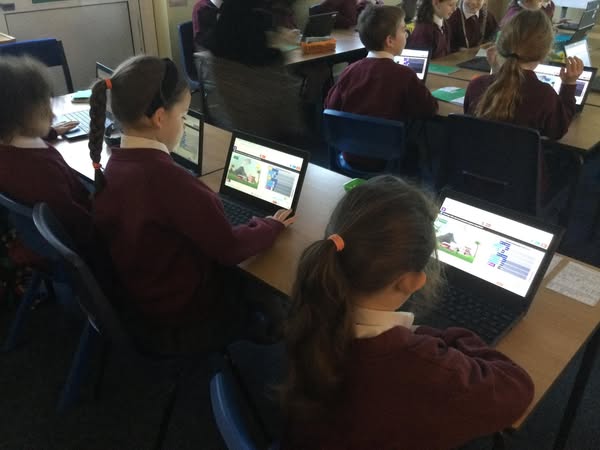
Computing is taught weekly and is delivered through a carefully sequenced programme of learning, using Kapow Primary to support consistency, progression and coverage across the school. Lessons combine the development of key knowledge with opportunities for pupils to explore, practise and apply their skills in meaningful and engaging ways.
Teaching is adapted to meet the needs of all learners, with clear modelling, guided practice and opportunities for independent application. Pupils are encouraged to experiment, solve problems, think creatively and learn from mistakes, developing confidence in using technology safely and effectively.
Recap and recall
Each Computing lesson begins with a short activity revisiting prior learning. This helps reinforce key knowledge, activate long-term memory and create connections between past and new learning.
Recap and recall activities are varied to keep the start of the lesson engaging and fun while still supporting active recall.
Spiral curriculum
Kapow Primary’s Computing scheme incorporates a spiral curriculum model, ensuring that children revisit and develop their understanding of key themes and concepts as they progress. This approach allows them to make meaningful connections, reinforce their learning and achieve mastery over time.
- Revisiting key concepts – pupils encounter the same ideas multiple times throughout their education, with each revisit adding more complexity.
- Progressive depth – concepts are not just repeated but expanded upon, helping pupils to make connections and develop a richer understanding over time.
- Knowledge retention – regular exposure to key ideas strengthens memory and prevents knowledge from being forgotten.
- Skill development – pupils refine and apply their skills in different contexts, improving their ability to think critically and solve problems.
- Adaptive learning – by building on prior knowledge, the curriculum meets pupils at their current level and supports all learners, including those who need extra reinforcement and those who are ready for greater challenges.
Impact
Pupils leave Knightlow C of E Primary School with a secure understanding of core computing concepts and principles. They are proficient in using essential software, including word processing and data representation tools, preparing them for a confident transition into KS3. With strengthened logical thinking and problem-solving abilities — developed through hands-on programming experiences — they are ready to engage with the evolving technological landscape.
Progress in Computing is measured through ongoing evaluation of children’s work, ensuring skill development is evident, outcomes are achieved and pupils can articulate their learning confidently.
We aspire for our pupils to leave Knightlow as responsible, capable and safety-conscious users of technology, ready to navigate the digital world with confidence and resilience.
Primary National Curriculum
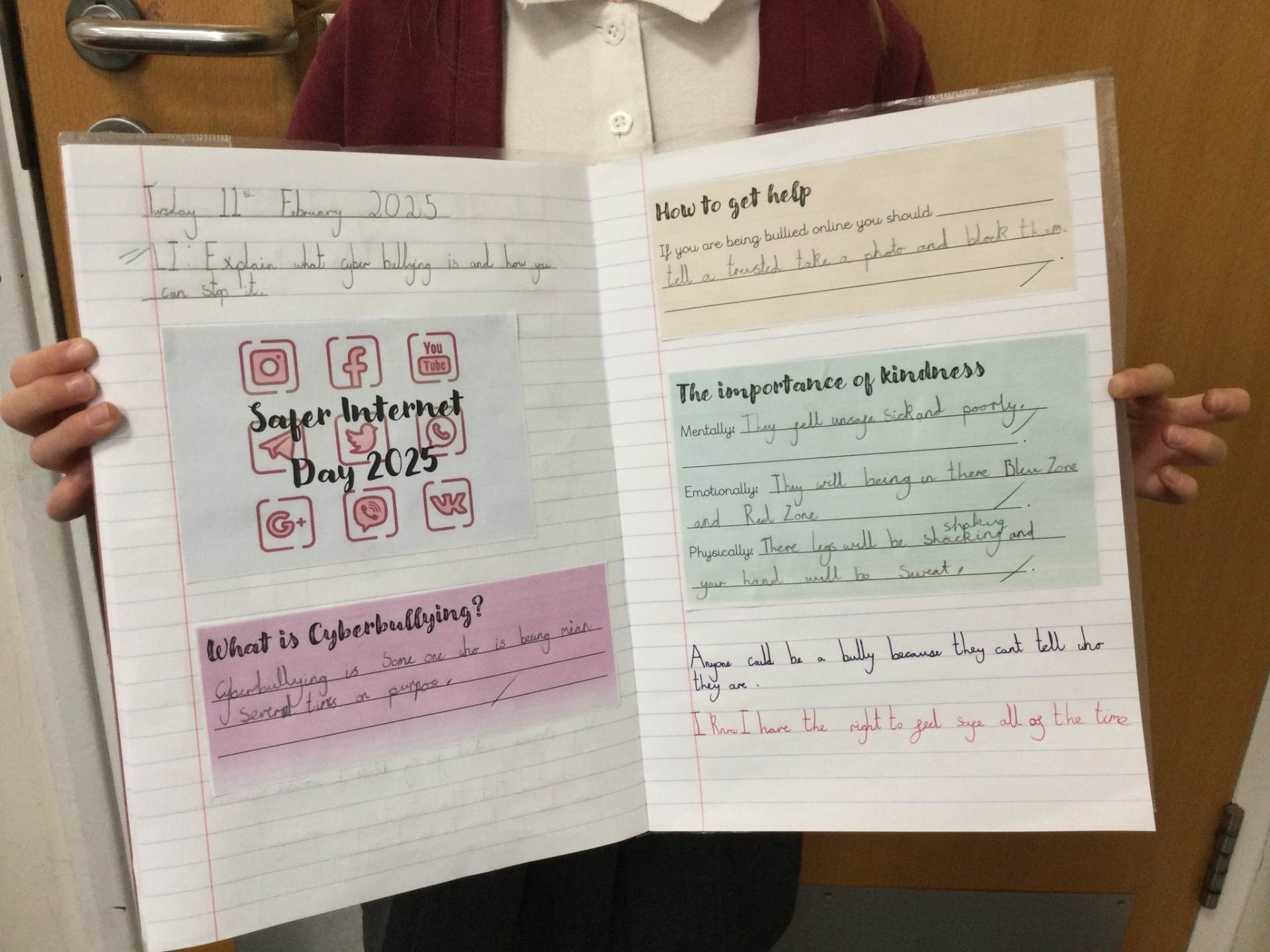
Online Safety
Online Safety Parent Meeting - Nov 2026
Online Safety Progression of Skills and Knowledge
Online Safety Newsletter March 2025
Parental Support
What parents need to know about Facebook
What parents need to know about Instagram
What parents need to know about Snapchat
What parents need to know about TikTok
What parents need to know about Whatsapp